Dale & Leslie Chihuly: On our capital project, honoring Lino, and the future of Museum of Glass
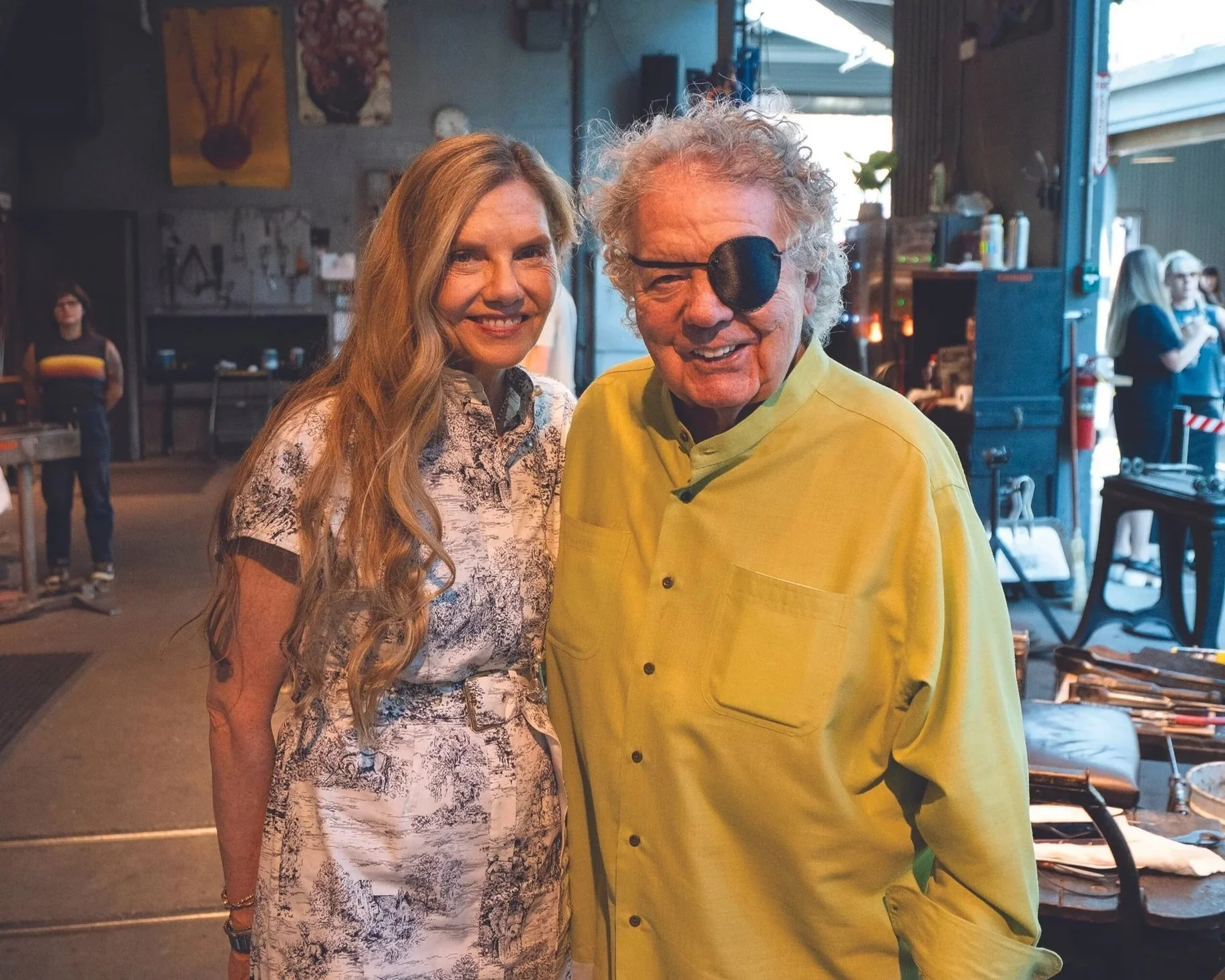
Leslie and Dale Chihuly at the Chihuly Boathouse in Seattle. Courtesy of Leslie Chihuly.
As Museum of Glass looks forward to its newest chapter, it continues to reflect on the collaboration and creativity that are central to the act of glassmaking. Collaboration is at the heart of how the Pacific Northwest became a center for experimentation and creativity, and the personal relationship between Lino Tagliapietra and Tacoma’s own Dale Chihuly is a cornerstone of this story.
Tagliapietra’s first visit to the United States was at the invitation of Chihuly’s Pilchuck Glass School (Stanwood, Washington) in the early 1980s, and his workshops were transformational to artists who were seeking technical expertise to underpin their artistic ideas in glass. It was a spark that ignited a community of glass innovators, whose ideas and relationships built the Pacific Northwest into an international center for glass art. We asked Dale and Leslie Chihuly to reflect on the impact of friendship and collaboration with Tagliapietra, and their perspective on the Museum’s capital renovation project and Lino Tagliapietra Legacy Gallery.
As founders, what do you believe to be the legacy of Museum of Glass? What are you most proud of and what are you excited about for its future?
Museum of Glass has become a landmark in the glass community, celebrated up and down the West Coast and beyond. Its Hot Shop has welcomed countless renowned artists over the years, and through its many public demonstrations, visitors have been given a rare window into the art of glassblowing.
As we look toward the future, each new generation of artists brings with it fresh talent and evolving techniques, and Museum of Glass stands as the perfect place to meet that momentum. It introduces newcomers to the art of glassblowing, inspires those who encounter it for the first time, and honors the community and history that the Pacific Northwest glass world has built over the decades.
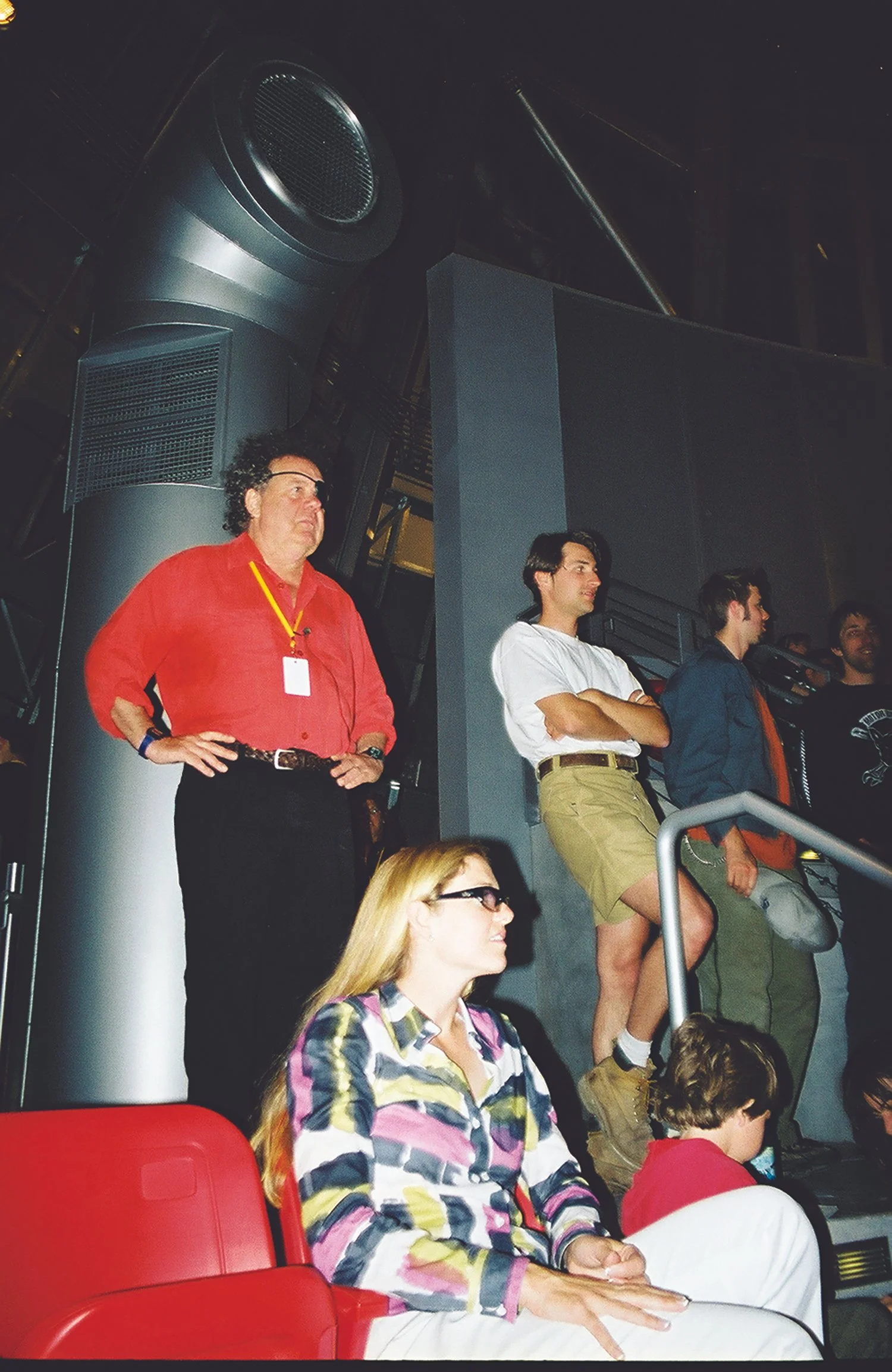
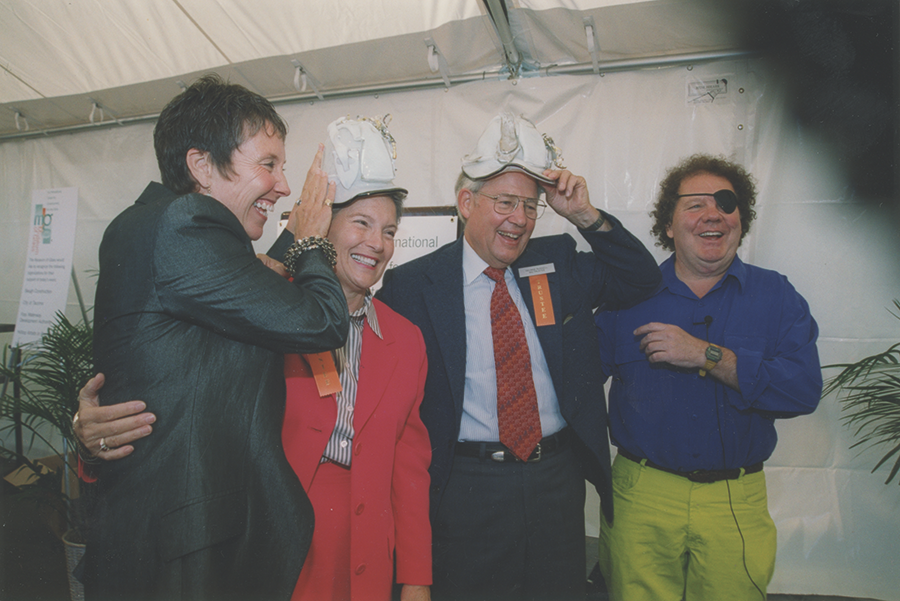
What does our 2026 capital project mean for the next chapter of Museum of Glass? And what impact do you hope the Lino Tagliapietra Legacy Gallery will have on the Museum’s legacy?
This project is a symbol of investment in the future of contemporary glass, and a celebration of an artist that helped shape the glass community to become what it is today. To honor Lino with this gallery is to honor one of the true greats of the craft. What makes him so inspiring is not just his mastery, but his refusal to let tradition become a ceiling. Having perfected his art, he could have rested on what he knew. Instead, he remained curious, seeking out new collaborators and allowing those relationships to push his work in unexpected directions. To witness the breadth of that evolution here in the Pacific Northwest, and for it to be honored at Museum of Glass is special.
What was Lino’s impact on the Studio Glass movement? Your career? What was your impact on Lino’s career?
Lino and I have taught each other many lessons over the years. Lino is an incredible artist who has influenced the movement through his work. We worked together for years on the Venetian series. He is also a teacher. Many American glassblowers now work the way they do because of his impact, bringing Venetian techniques into contemporary glassblowing and evolving our practice at Pilchuck as one of the first teachers to come from Murano.
What are your favorite memories with Lino?
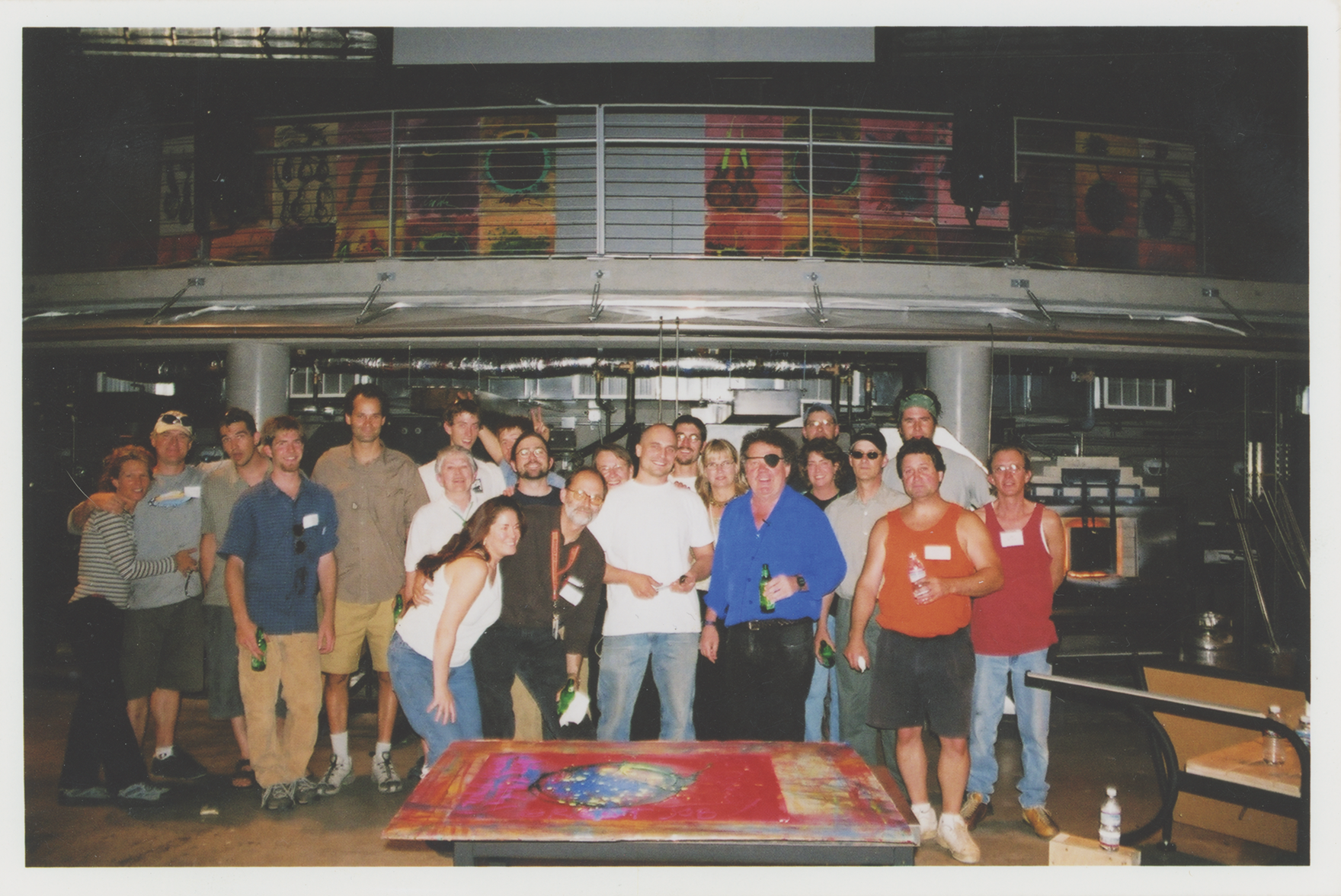
Some of our favorite memories are tied to the community that we formed with Lino and Lina at The Boathouse after a great glassblowing session in The Chihuly Hot Shop followed by a home-cooked family style meal. The two of them are such hospitable, generous people, and after all these years, we’re famiglia!
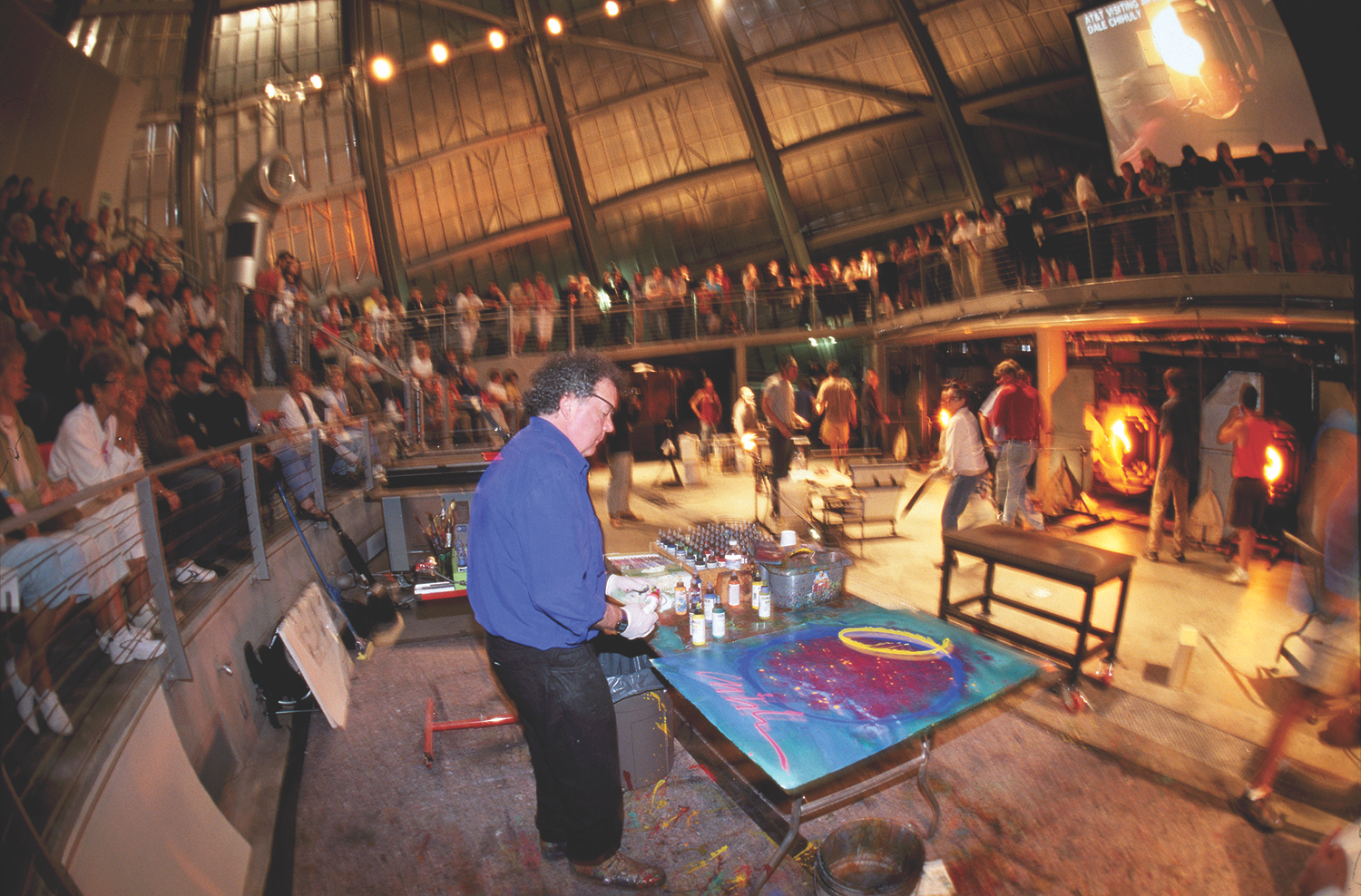
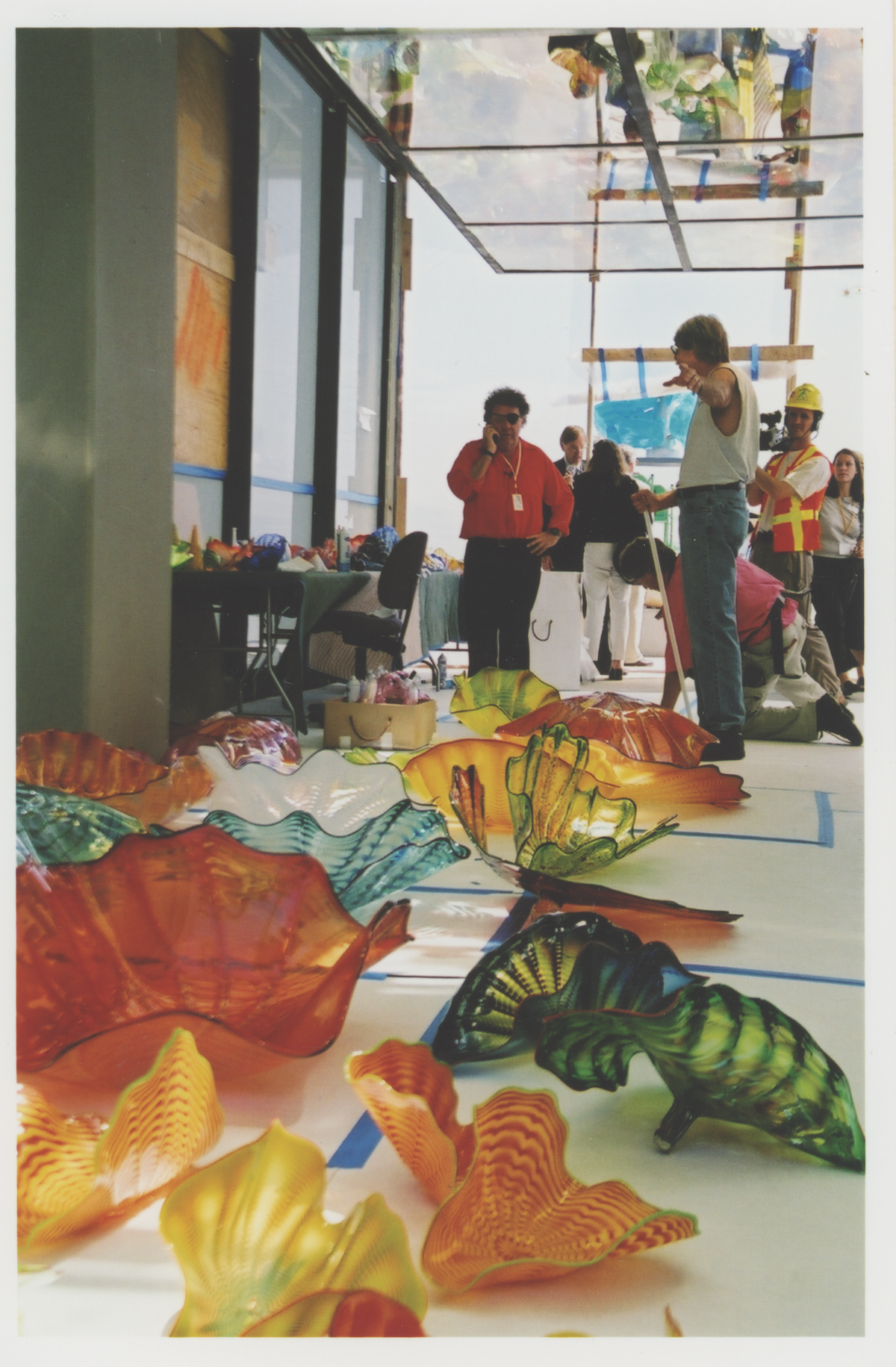

What do you hope visitors and artists take away from a permanent Lino gallery at Museum of Glass?
Being in Lino’s orbit also means that you are gifted with his world of knowledge. His range of glassblowing techniques is incredible, and a permanent gallery will now share both his work and his wisdom with the world, preserving the chance to learn from him for generations to come.
Why is it important to support projects like the Lino Tagliapietra Legacy Gallery at Museum of Glass?
Projects like this one provide future artists, students, and the public with a place to learn from his work long after he is no longer teaching. Working with glass is an art that is deeply rooted in the passing of knowledge. Having a space where people can go to that honors and continues that tradition will help keep the art alive.
As glass gains popularity, and there are so many more places outside of the Pacific Northwest to make glass than when Museum of Glass was founded (and certainly than when Pilchuck was founded), what keeps glass rooted in this region, and why is it important that this artist’s legacy is here? What continues to make the PNW so special for this art form?
American Studio Glass would not be where it is today without the growth and concentration in the Pacific Northwest. That spirit of community still exists today, and it is worth investing in. Anchoring Lino's legacy in the Pacific Northwest matters because this is where so much of his teaching took place, inspiring artists who have since carried that influence with them around the world.
Images:
(1) Leslie and Dale Chihuly. The Hotshop, The Boathouse, Seattle, 2025. © 2025 Chihuly Studio. All rights reserved. Photo by Joshua Means.
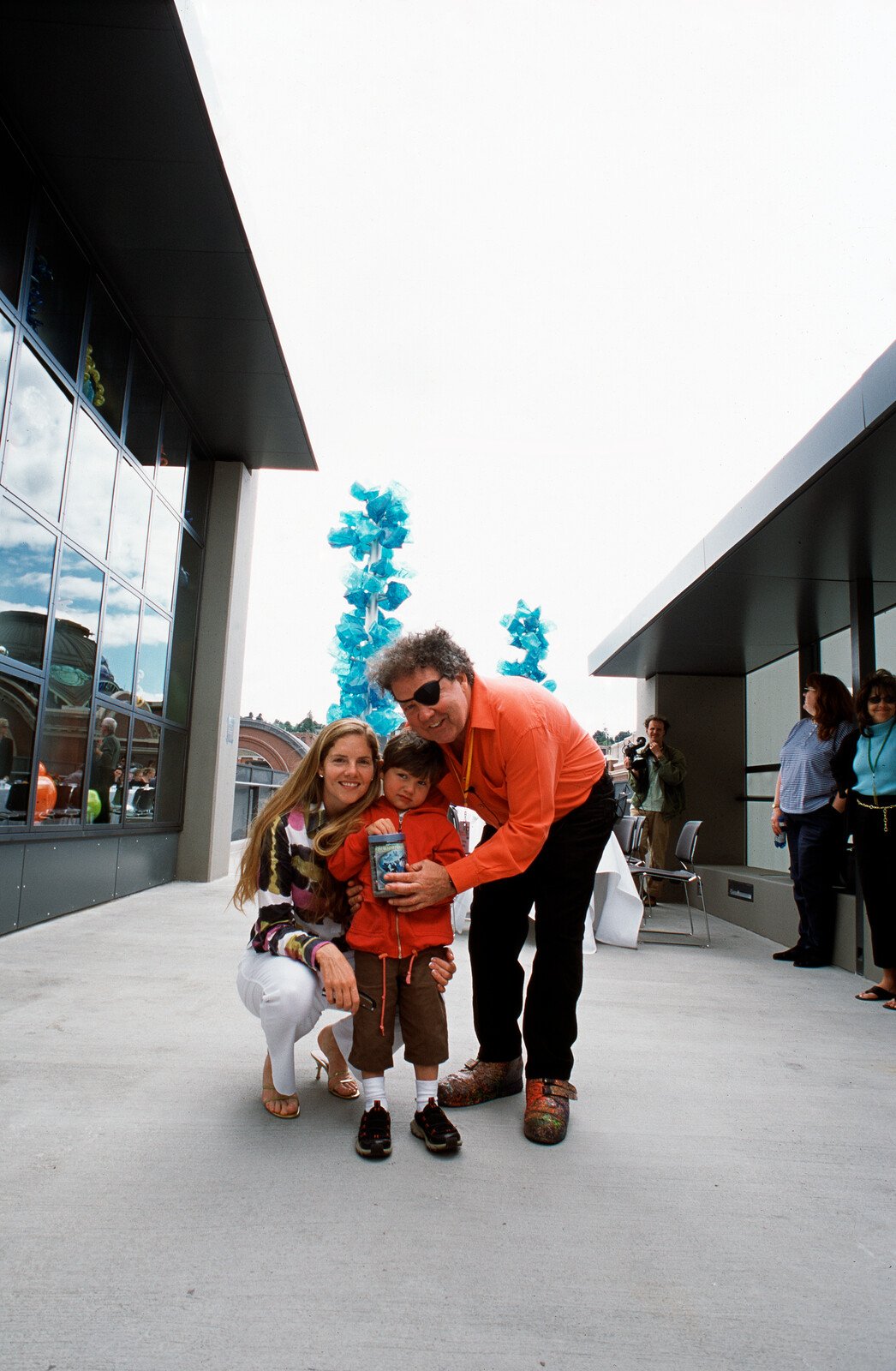
(2) Left to right: Photo by Jerry Wells. Photo by Russell Johnson. Photo by Jerry Wells. Photo courtesy of Museum of Glass.
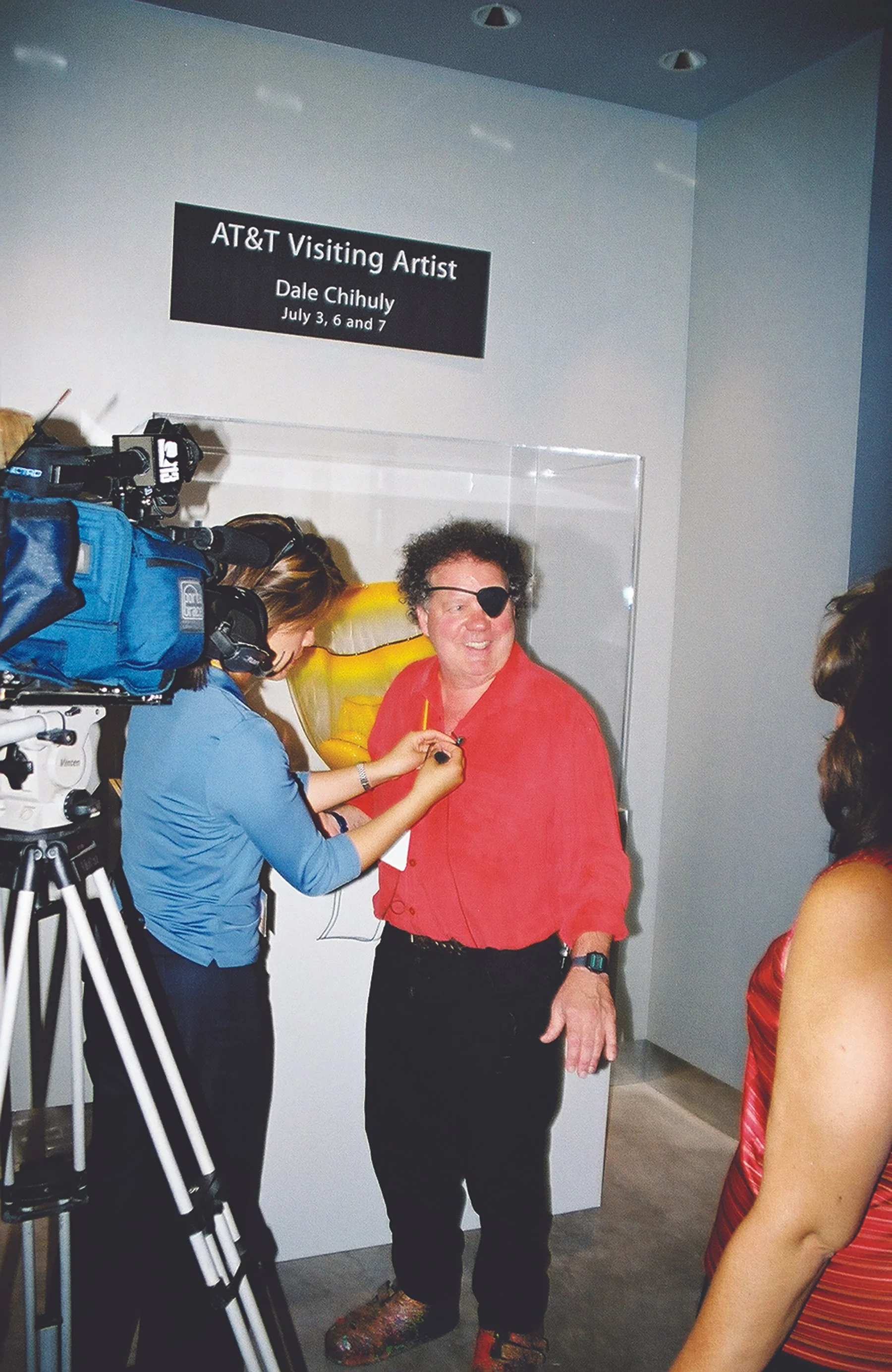
(3) Left to right: Photo by Terry Rishel. Photo by Jerry Wells. Photo by Jerry Wells. Photo courtesy of Museum of Glass.
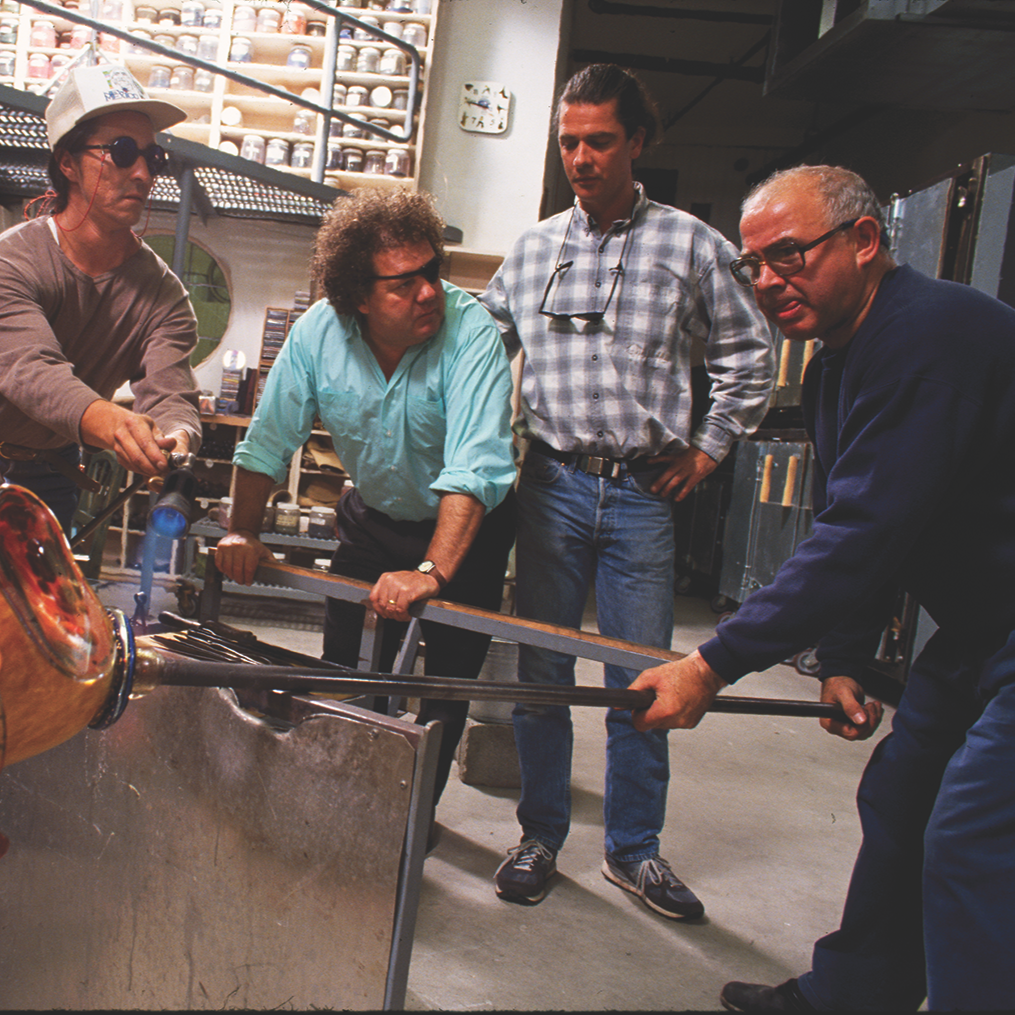
(4) © 2002 Chihuly Studio. All rights reserved. Photo by Scott Mitchell Leen.