
Lino Tagliapietra Legacy Gallery
2026 Museum of Glass Capital Project
Opening fall 2026
A Transformational Gift
Museum of Glass became a collecting institution in 2007. Since that time, it has built a significant collection of works by artists who have completed residencies in the Hot Shop, glass pieces that document the Studio Glass movement, contemporary glass, and nineteenth- and early twentieth-century glass produced in factories in the United States and Europe. However, the Museum’s collection has not yet been able to tell a sufficiently comprehensive story of glass and the Pacific Northwest’s critical role in its advancement. Until now.
Lino Tagliapietra, the world’s most renowned living glass maestro, has generously gifted 175 works and installations from his archival collection to Museum of Glass.
As part of the Museum of Glass 2026 capital renovation project, the Museum will build the immersive new Lino Tagliapietra Legacy Gallery, scheduled to open in December of 2026.
Revered around the globe for his incredible manipulation of the material and his innovative creations, Tagliapietra has defined American glassblowing since coming to the Pacific Northwest in the early 1980s. No other artist can rival his impact on the field as a maestro, teacher, and mentor. Out of all the museums in the United States, Tagliapietra chose Museum of Glass in Tacoma to display his archive and to tell his legacy story.
This is the most important acquisition in the Museum’s history, and one that will celebrate the region and the art form. The archival collection includes pieces created over the years Tagliapietra spent in the Pacific Northwest dating back to the mid-nineties. It will transform the Museum’s collection, propel it among the foremost glass museums in the world, and cement its status as a destination glass art experience while increasing tourism dollars and educational opportunities.
“Lino’s impact on glass cannot be overstated. Since his first visit to the Pacific Northwest in the early 1980s, he has changed how glassmakers pursue and view the material. His passion and curiosity are boundless, and his depth of knowledge and skill working with hot glass is unmatched. He shared that with anyone who was willing to watch, listen, and understand what he was doing. This changed the face of the American Studio Glass movement.”
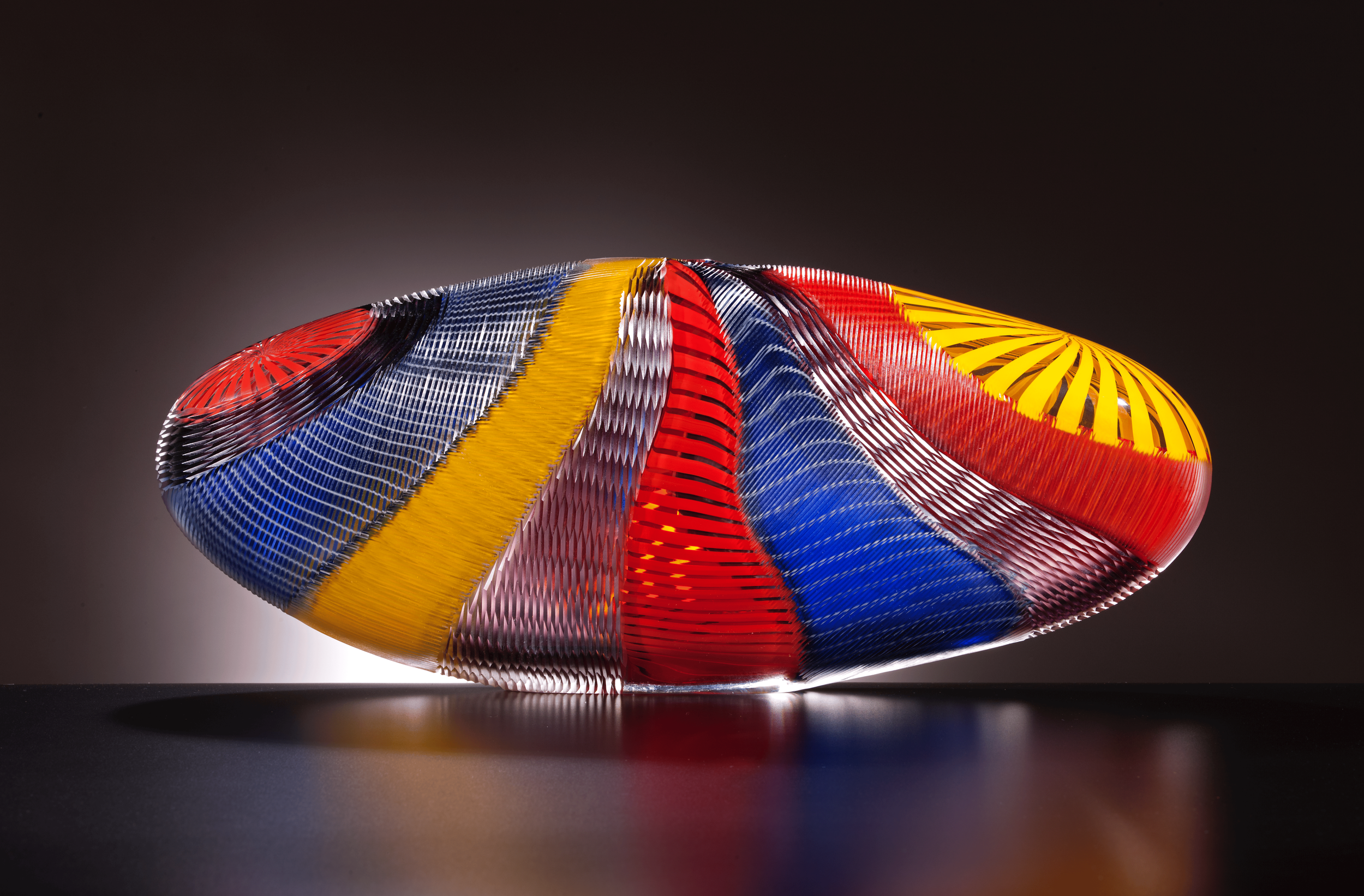
Lino Tagliapietra (Italian, born 1934). Pago-Pago, 2009. Glass; 22 1/4 × 9 1/4 × 5 inches. Courtesy of Lino Tagliapietra, Inc. Photo by Russell Johnson.

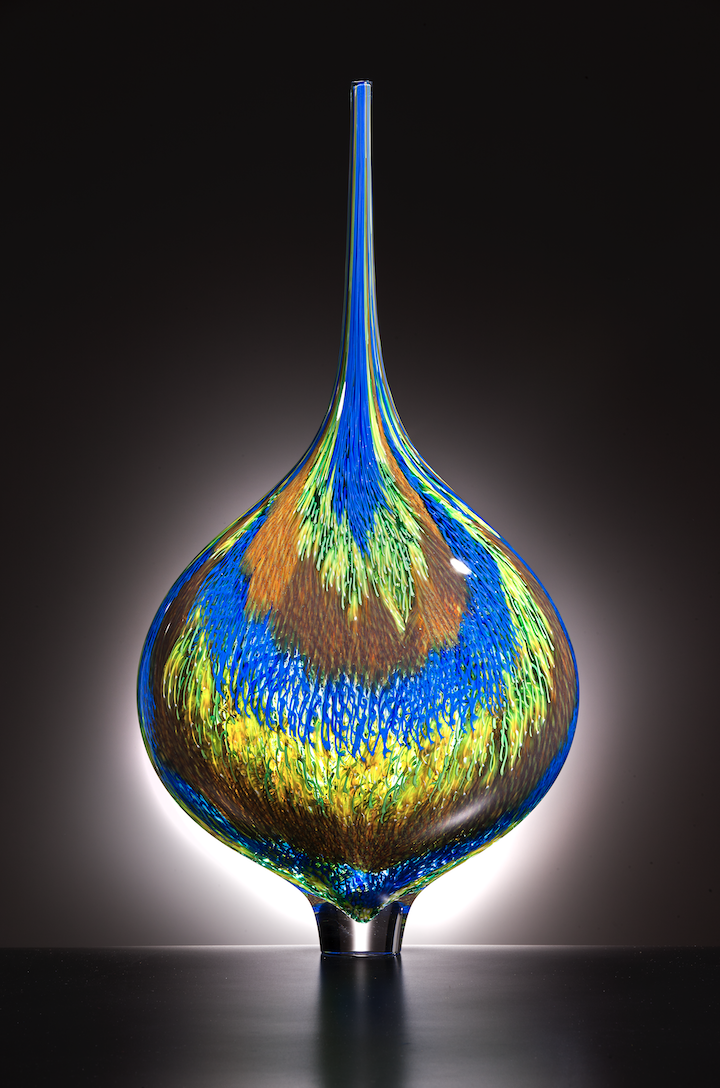
Lino Tagliapietra (Italian, born 1934). Emerald City, 2018. Glass. Courtesy of Lino Tagliapietra, Inc. Photo by Russell Johnson.
The Lino Tagliapietra Legacy Gallery
To celebrate the collection and provide visitors with a comprehensive story of glass, Museum of Glass will build the immersive new Lino Tagliapietra Legacy Gallery.
It will be the only permanent gallery in the United States dedicated to Tagliapietra’s extraordinary work across his entire career—from his roots in Murano, Italy, to a focus on the 45 transformative years he spent in the Pacific Northwest, where he inspired and mentored three generations of artists.
Within the new gallery, emerging artists will continue to learn from the charismatic maestro as they find their own path. And, with the scale of this collection and the ability to refresh the exhibition over time, the opportunities to serve audiences within the Lino Tagliapietra Legacy Gallery are immense and promise to keep visitors invested year after year. By ensuring Tagliapietra’s collection is always accessible, the gallery will address the Museum’s central goal to provide the public with deeper experiences with glass.
The Lino Tagliapietra Legacy Gallery will be approximately 4,000 square feet and allow for more than 50 pieces to be on view at any time. The debut exhibition in the Lino Tagliapietra Legacy Gallery will be Lino Tagliapietra: Maestro.
“Having a space at Museum of Glass dedicated to Lino’s incredible journey — his generous sharing of technique, and his rich culture — is more than just appropriate. It is a way that we can honor his legacy and preserve that inherited knowledge for future generations of glassmakers, artists, and anyone who wants to learn more about glass and its boundless limits.”
Lino Tagliapietra Legacy Gallery
—
Opening Fall 2026
—
Lino Tagliapietra Legacy Gallery — Opening Fall 2026 —
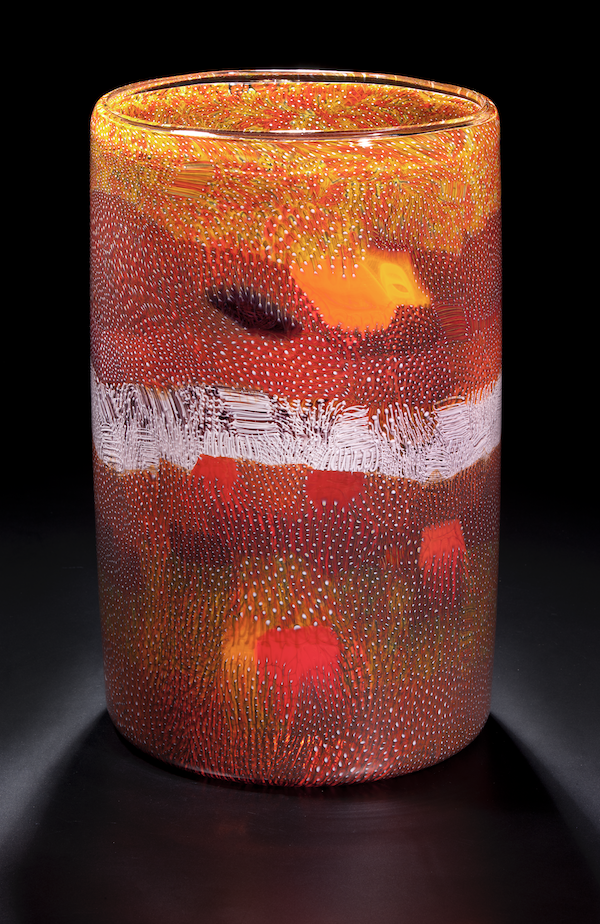
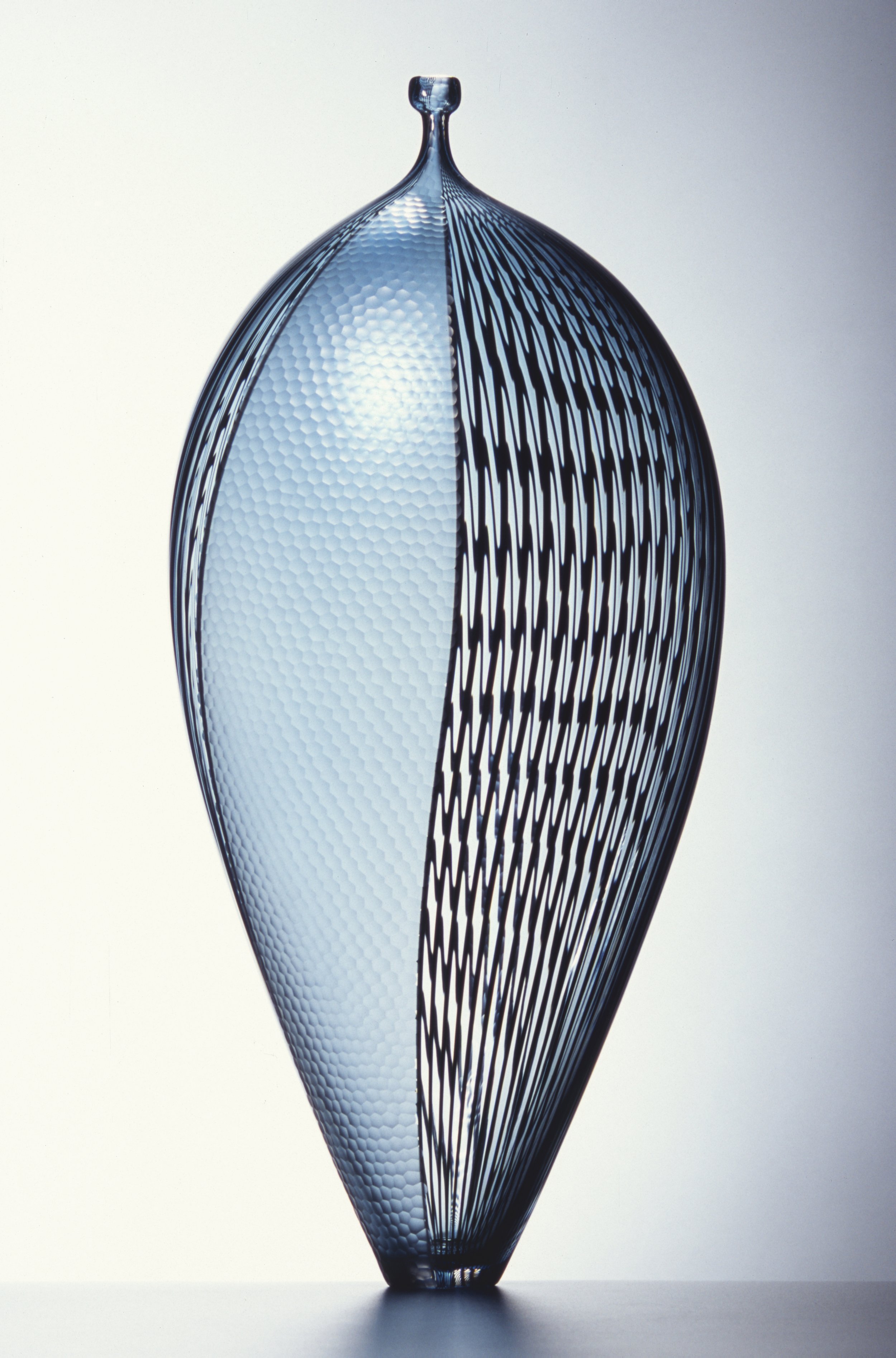
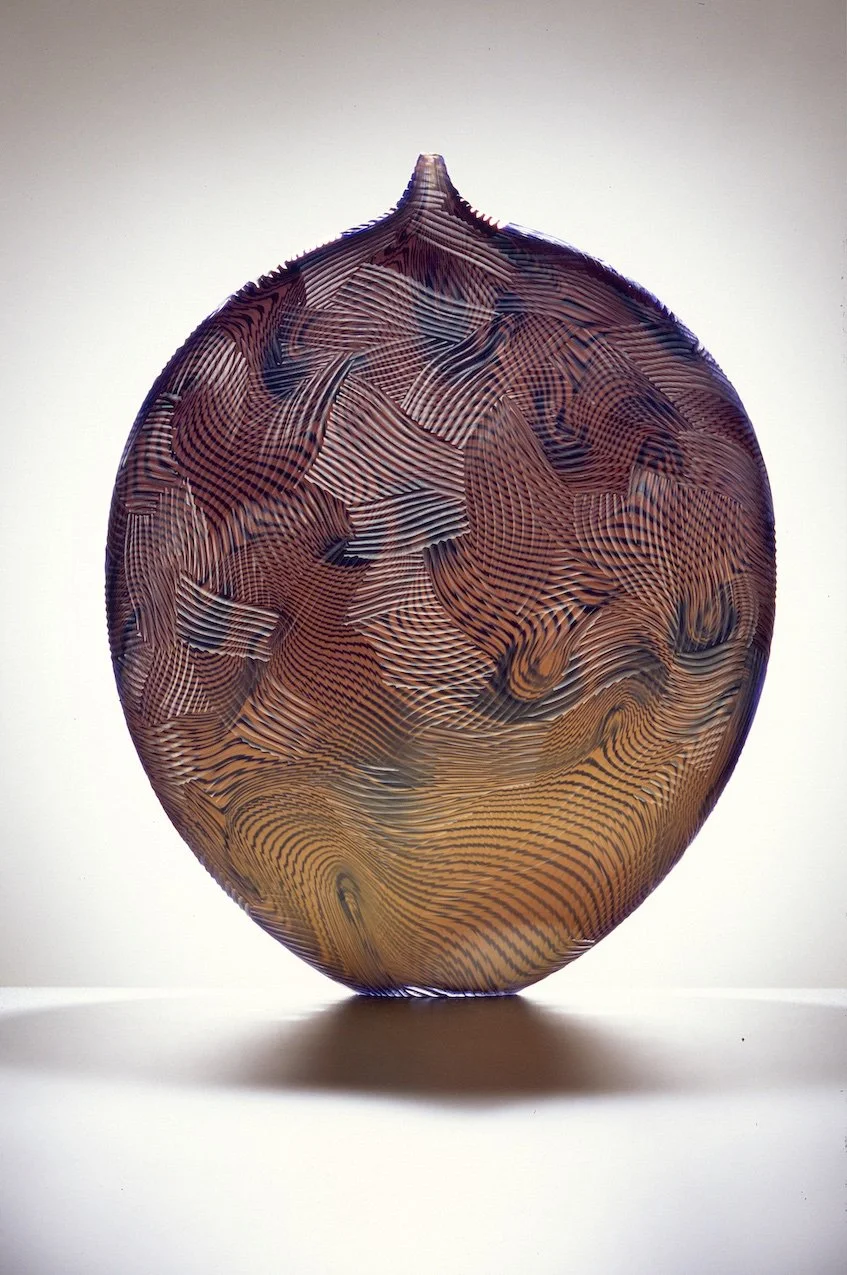
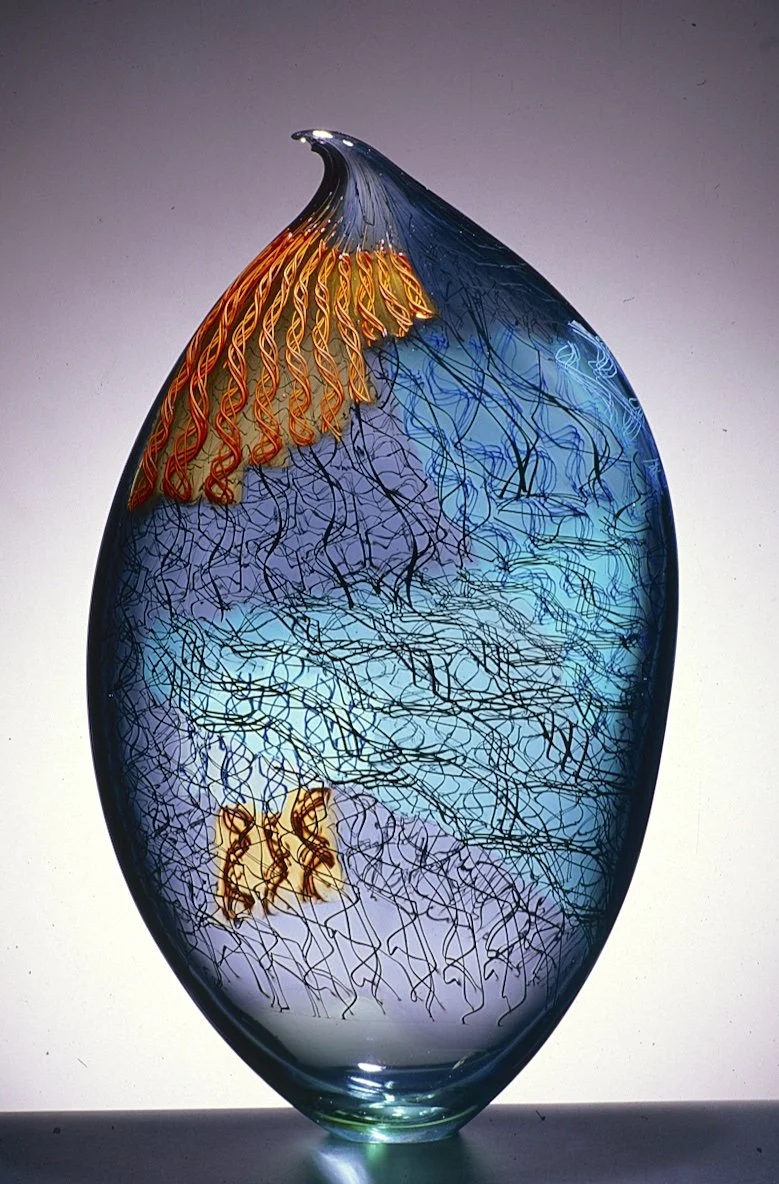
Works from the Lino Tagliapietra Collection
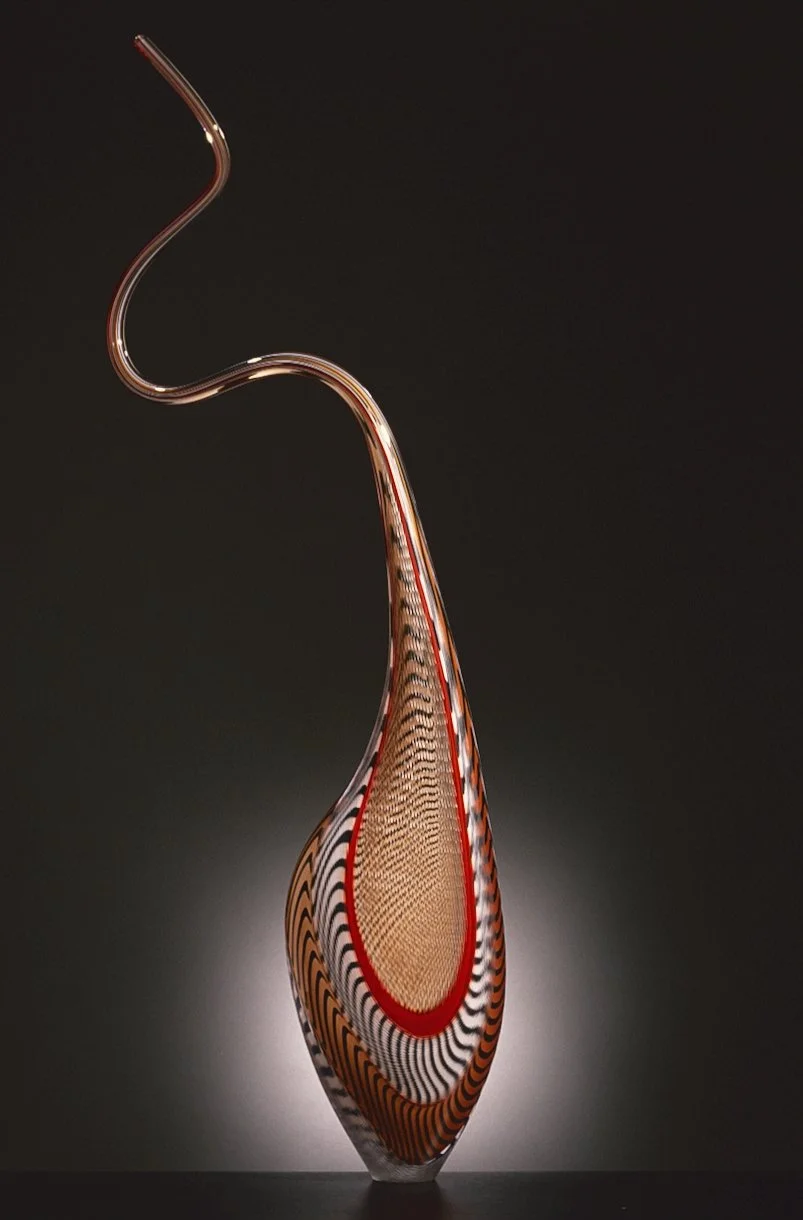
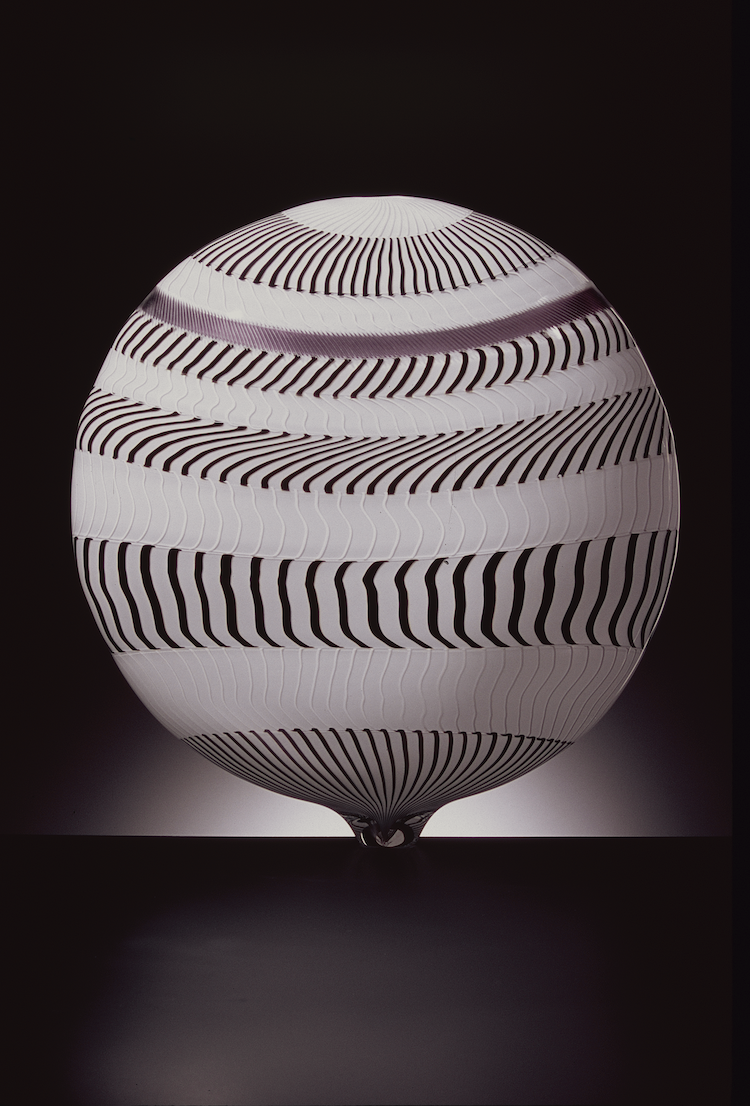
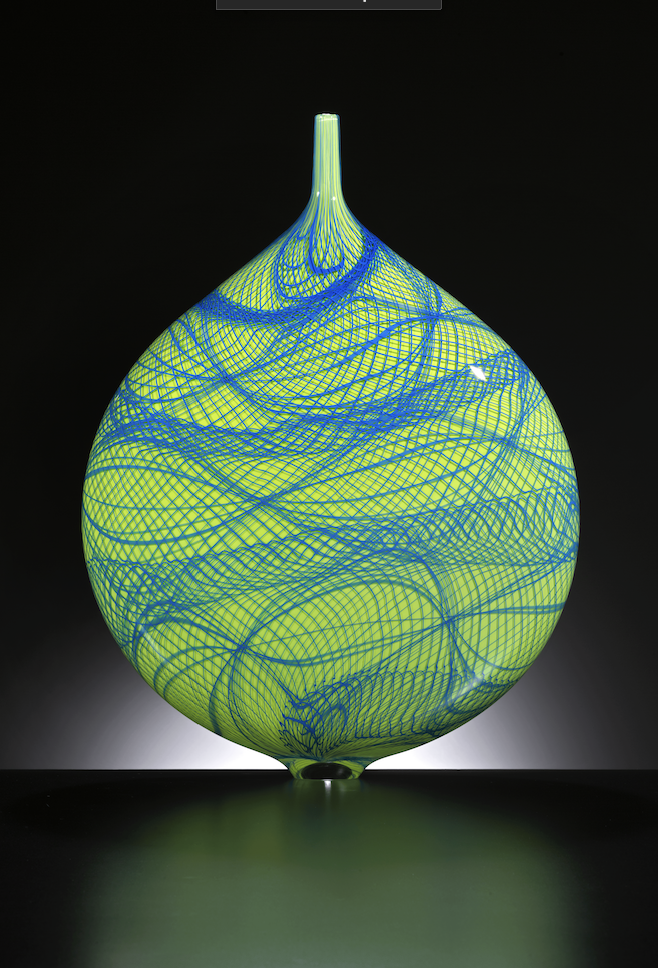
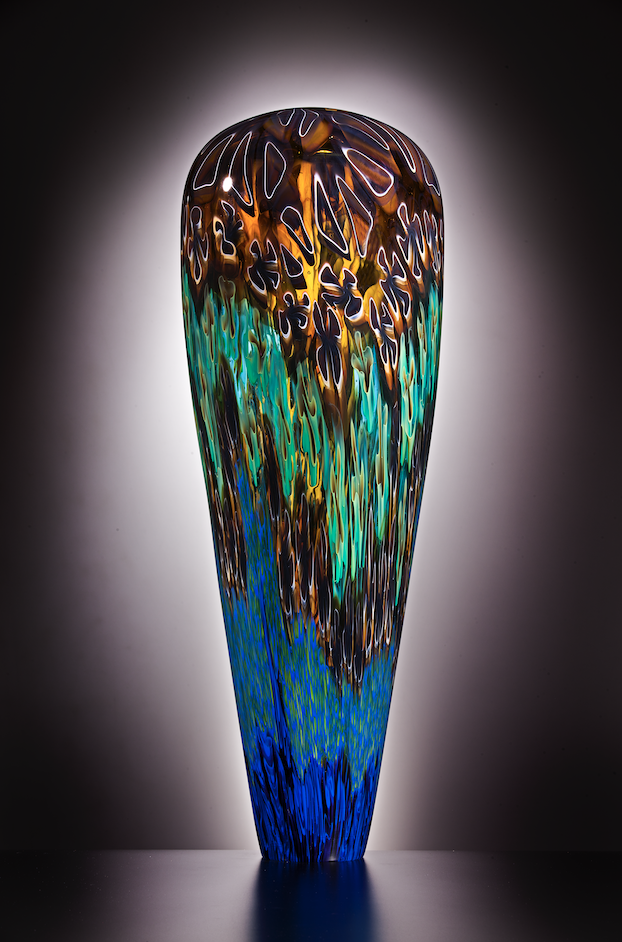
Lino Tagliapietra and Museum of Glass
Museum of Glass is foundational to glass in the Pacific Northwest, and is therefore best positioned to tell this story and affirm the region’s leadership in the art form.
Additionally, its long and fruitful collaboration with the maestro makes the Museum the ideal and rightful home for his archival collection. Tagliapietra completed 19 residencies in the Museum Hot Shop and led numerous appearances to standing-room-only audiences, delighting thousands of visitors both in-person and around the world through the livestream. Over the years, the Museum has organized and hosted several installations and three major exhibitions of Tagliapietra’s work:
Lino Tagliapietra: In Retrospect, a Modern Renaissance in Italian Glass (2008)
Maestro: Recent Works by Lino Tagliapietra (2012)
Celebrating Lino Tagliapietra (2014).
In Retrospect traveled to Smithsonian Institution’s Renwick Gallery, Chrysler Museum of Art, Palm Springs Art Museum, and Flint Institute of Art, which helped drive broader recognition for the artist.
Washington State honored Lino with a prestigious Governor’s Arts and Heritage Award in 2023.
“For some reason, my hands stay a little bit light.”
About Lino Tagliapietra
Lino Tagliapietra was born on the Island of Murano in Italy, known for its extensive and ancient glassmaking traditions.
He entered the glass industry at age 11 as an apprentice in the workshop of Archimede Serguso. Following this, Lino continued to work with several significant glass masters, further refining his skills. These include some of the most accomplished glass makers of the day, including Galliano Ferro. By his early twenties, Lino was awarded the title of maestro, usually reserved for only the most seasoned of glassmakers. In the mid-1960s, Lino began developing his own designs, using his spare time to explore his unique creativity. Some of these concepts went into production while Lino worked at La Murrina glassworks. His career advanced further when he joined Effetre International, where he served as the company’s chief glass blower and designer.
In 1979, Lino was recommended by his brother-in-law, Checco Ongaro, to American glass artist Benjamin Moore at the burgeoning Pilchuck Glass School in Stanwood, as a visiting/teaching artist. Lino traveled to Washington State with his tools and demonstrated the masterful application of Italian techniques, becoming a cornerstone of the American Studio Glass Movement and its subsequent worldwide reach. Lino returned to Pilchuck regularly throughout the 1980s — teaching, mentoring, and forming friendships with significant local artists, including Dale Chihuly, Richard Marquis, and Dante Marioni. The freedom of artistic and cultural expression in America provided Lino with the environment to explore and develop his remarkable and endless inventiveness, earning him recognition as one of the world’s best glass sculptors.
In the late eighties, through the mid-nineties, he worked for Dale Chihuly, leading a team of prominent glassblowers, including William Morris, Martin Blank, and Richard Royal, further cementing his key role in the expansion of glass as a desirable expressive material. By the end of the nineties, Lino no longer worked for other artists but began to concentrate solely on producing his own art.
Museum of Glass became Lino's home base in the early 21st century. He loved melding his team with the Museum’s Hot Shop staff and creating a dynamic visitor experience. Each of his 19 residencies was recorded, capturing his expert manipulation of technique for future generations to learn from.
Lino final blow in the United States. Museum of Glass, 2023.
Lino in the Museum Hot Shop, 2017.
Lino Tagliapietra with John Kiley

Lino Tagliapietra in the Hot Shop with Museum of Glass gaffer Gabe Feenan.
Artwork Image Credits (in slideshow)
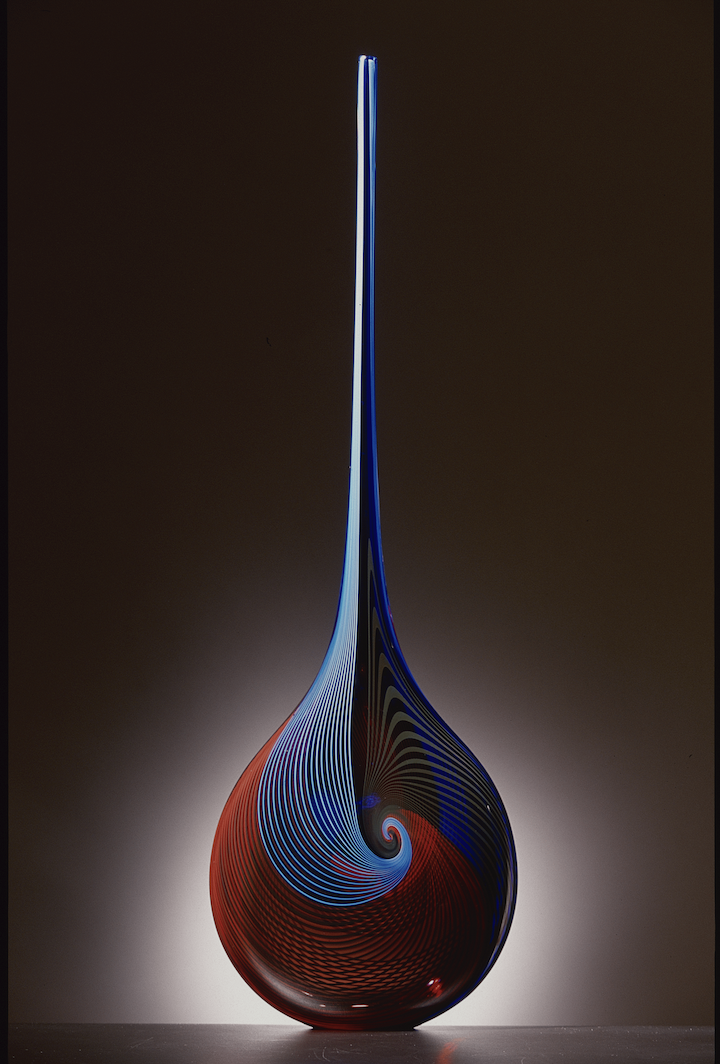
Lino Tagliapietra (Italian, born 1934). Angel Tear, 1999. Blown glass with multicolored canes, turned axis; 35 1/2 × 11 1/2 × 5 1/4 inches. Courtesy of Lino Tagliapietra, Inc. Photo by Russell Johnson.
Lino Tagliapietra (Italian, born 1934). Fuji, 2012. Blown murrine glass; 26x 13 1/4 x 7 inches. Courtesy of Lino Tagliapietra, Inc. Photo by Russell Johnson.
Lino Tagliapietra (Italian, born 1934). Dinosaur, 2003. Glass; 51 1/4 × 20 × 11 1/4 inches. Courtesy of Lino Tagliapietra, Inc. Photo by Russell Johnson.
Lino Tagliapietra (Italian, born 1934). Piccadilly, 2007. Blown glass with incalmi and half-filigree; 20 × 19 × 8 3/4 inches. Courtesy of Lino Tagliapietra, Inc. Photo by Russell Johnson.
Lino Tagliapietra (Italian, born 1934). Poesia, 2017. Blown glass; 18 1/2 x 14 x 6 inches. Courtesy of Lino Tagliapietra, Inc. Photo by Russell Johnson.
Lino Tagliapietra (Italian, born 1934). Kookaburra, 2013. Glass; 28 × 31 1/4 × 13 inches. Courtesy of Lino Tagliapietra, Inc. Photo by Russell Johnson.
Lino Tagliapietra (Italian, born 1934). Osaka, 2011. Blown murrine glass; 18 × 11 × 11 1/4 inches. Courtesy of Lino Tagliapietra, Inc. Photo by Russell Johnson.
Lino Tagliapietra (Italian, born 1934). Foemina, 2002. Glass; 21 1/2 × 10 × 7 1/2 inches. Courtesy of Lino Tagliapietra, Inc. Photo by Russell Johnson.
Lino Tagliapietra (Italian, born 1934). Seattle, 2000. Glass; 14 × 11 1/4 × 5 inches. Courtesy of Lino Tagliapietra, Inc. Photo by Russell Johnson.
Lino Tagliapietra (Italian, born 1934). Silea, 2000. Glass; 20 1/4 × 11 3/4 × 8 inches. Courtesy of Lino Tagliapietra, Inc. Photo by Russell Johnson.